September 1, 2026
Technology has become an increasingly important part of how people use and manage their homes. From connected entertainment systems and home networks to smart lighting, security equipment, and automated climate controls, modern households often depend on multiple devices working together. As these systems become more advanced, professional support can make it easier to design, install, integrate, and maintain technology throughout a property.
Home technology services encompass a broad range of solutions designed to make residential technology more functional and convenient. Instead of treating each device as an isolated product, professional technicians can consider how different systems interact and how they fit into a home's layout and daily routines. Understanding what these services include can help homeowners make informed decisions when upgrading their living spaces.
Understanding Connected Home Systems
Connected home systems allow different technologies to communicate through a centralized network. Smart televisions, speakers, lighting controls, security equipment, thermostats, and other devices may all depend on reliable connectivity to operate effectively. When these systems are thoughtfully integrated, homeowners can access multiple functions from centralized controls or compatible devices.
Home technology services can help homeowners determine which systems make sense for their property and how they should work together. Professional planning can also account for the home's size, existing infrastructure, and intended uses. This approach can create a more cohesive technology environment rather than adding disconnected devices without considering the overall system.
Improving Residential Network Performance
A reliable network is often the foundation of a connected home. Streaming services, smart appliances, security cameras, computers, mobile devices, and other equipment may compete for bandwidth throughout the day. Weak coverage or inconsistent connections can make otherwise capable technology frustrating to use.
Professional home technology services can include network planning that considers coverage, equipment placement, and the number of connected devices within the property. Technicians can evaluate the home's technology needs and create an infrastructure designed to support current equipment while allowing for future additions. A strong network can provide the connectivity needed for many other residential technologies.
Integrating Home Entertainment Equipment
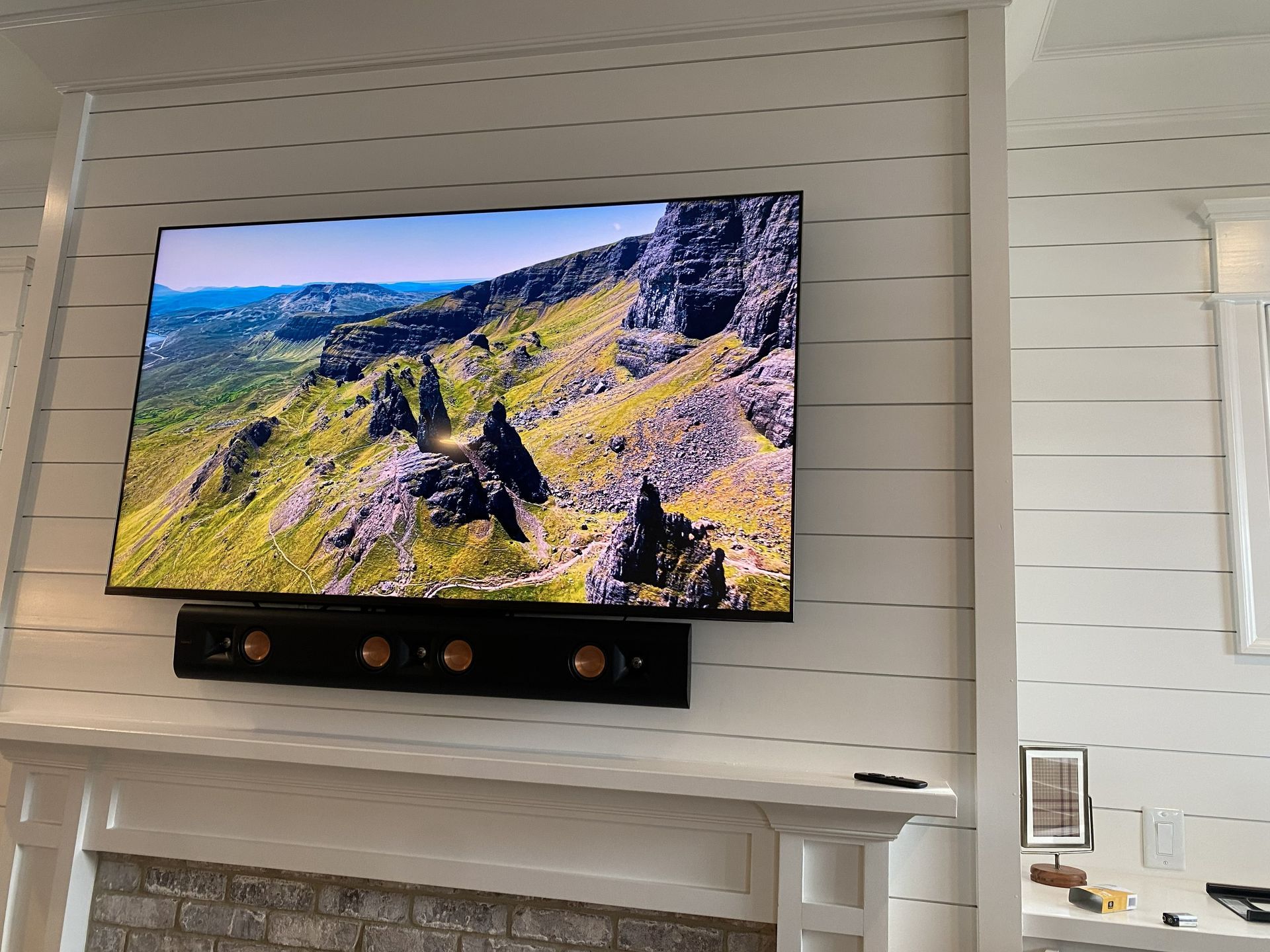
Entertainment technology can include televisions, projectors, speakers, streaming equipment, media servers, and other components. Managing multiple devices can become complicated when each system has separate controls and connections. Professional integration can create a more organized experience while helping equipment work together more effectively.
Home technology services can help coordinate entertainment systems according to the home's layout and the homeowner's preferences. Technicians can consider viewing areas, listening positions, equipment placement, and connectivity when planning an installation. The result can be an entertainment environment that feels intentional rather than cluttered with unrelated equipment.
Enhancing Residential Security Technology
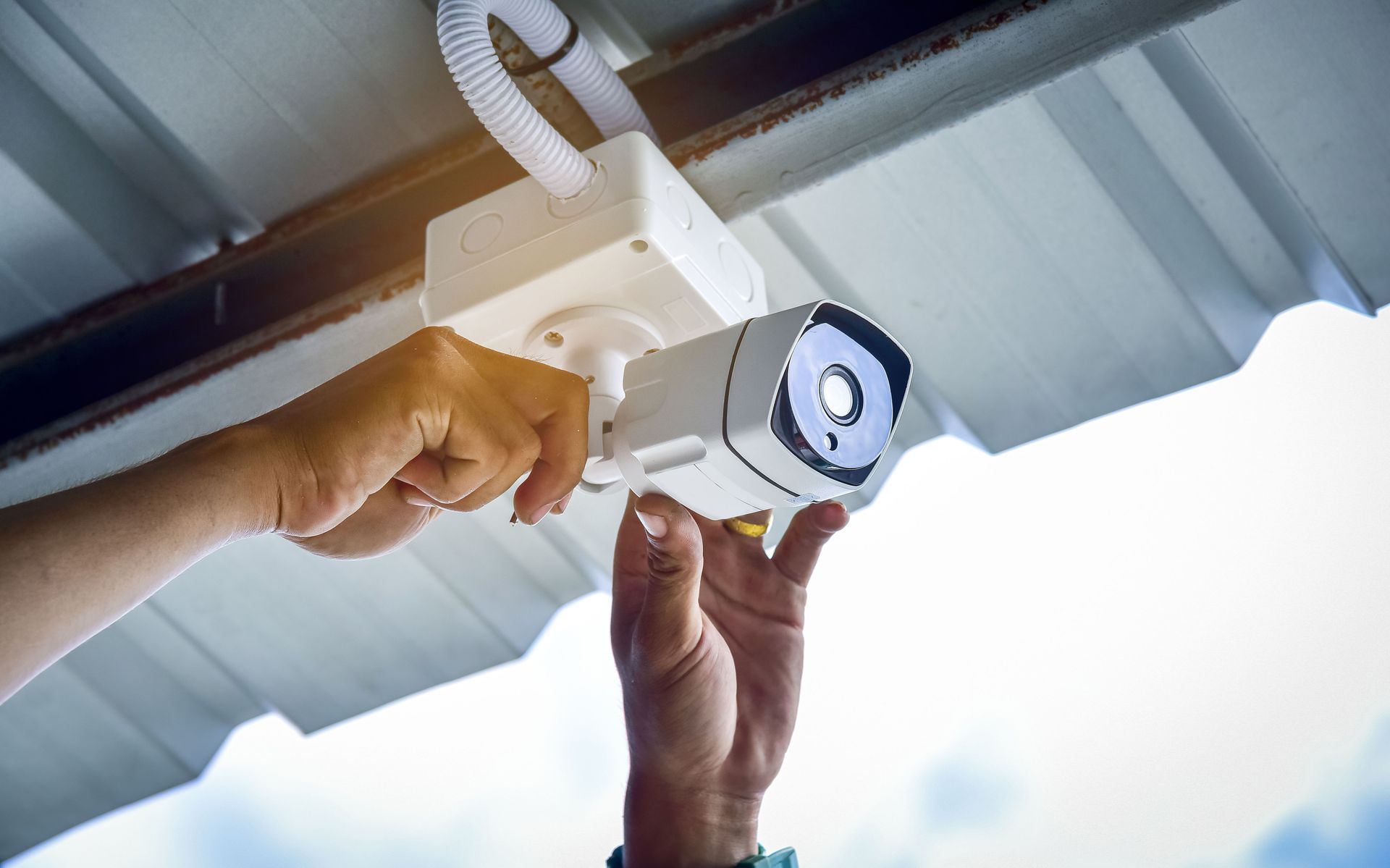
Security technology has expanded beyond traditional alarms. Modern homes may incorporate video doorbells, surveillance cameras, access controls, motion sensors, smart locks, and other connected equipment. These technologies can provide homeowners with additional ways to monitor activity and manage access to their properties.
Professional home technology services can help integrate security devices into a broader residential technology system. Technicians can consider camera placement, network connectivity, control interfaces, and compatibility between different components. Proper planning can help homeowners create a security setup that fits the property's layout and their specific monitoring needs.
Expanding Smart Lighting Controls
Smart lighting allows homeowners to control fixtures through centralized interfaces, schedules, sensors, or compatible devices. Lighting systems can be configured for different areas of a home, allowing occupants to create distinct environments for entertaining, relaxing, working, or sleeping. Automated controls can also reduce the need to manage individual switches throughout the property.
Home technology services can help integrate lighting controls with other connected systems. For example, lighting may interact with entertainment, security, or occupancy technology when compatible equipment is selected. Professional installation can also help ensure that the controls are organized in a way that makes sense for the people using them.
Managing Smart Climate Technology
Connected thermostats and climate-control equipment can give homeowners greater visibility into indoor conditions. Some systems allow users to manage temperatures remotely or establish schedules based on daily routines. When integrated with other technology, climate controls can become part of a broader automated home environment.
Professional home technology services can help determine how smart climate equipment fits within the existing residential infrastructure. Technicians can evaluate compatibility and consider how the controls should interact with other systems. This planning can help homeowners gain the benefits of connected climate technology without creating unnecessary complexity.
Supporting Reliable System Integration
Compatibility is an important consideration whenever multiple technology products are combined. Two devices may both be marketed as smart products but may not necessarily communicate with one another in the way a homeowner expects. Selecting equipment based solely on individual features can therefore create integration challenges.
Professional home technology services can focus on the larger technology ecosystem rather than isolated products. Technicians can consider compatibility, connectivity, control methods, and future expansion when developing a residential system. This can help reduce conflicts between components and create a more coordinated technology environment.
Planning Technology for Future Needs
Residential technology continues to evolve, so homeowners may eventually want to add new devices or upgrade existing systems. A technology setup designed only for current needs may become limiting as additional equipment is introduced. Planning for future expansion can make it easier to accommodate changing expectations.
Home technology services can take future technology needs into account during the planning process. Technicians can consider available infrastructure, network demands, equipment locations, and system compatibility before installation. This forward-looking approach can help homeowners create a technology environment that remains useful as their needs change.
Improving Everyday Convenience
One of the primary reasons homeowners invest in residential technology is convenience. Centralized controls can simplify routine tasks, while connected systems can provide access to information and equipment from different locations. Technology can also help create more consistent experiences for entertainment, security, lighting, and other household functions.
Professional home technology services can help ensure that convenience does not come at the expense of usability. A system with numerous features is only helpful when household members can access and understand those features. Thoughtful planning and professional integration can help organize controls around the routines and priorities of the people who live in the home.
Increasing Technology Adoption
Smart home technology is becoming increasingly common as consumers look for greater connectivity and convenience. According to RubyHome, approximately 57% of U.S. consumers are expected to adopt smart home technology by 2026, reflecting the growing presence of connected technology in residential environments. As adoption expands, homeowners may encounter increasingly diverse options for automating and managing their properties.
This growing selection makes professional guidance particularly useful for homeowners who want to avoid unnecessary equipment or incompatible systems. Home technology services can help evaluate available options based on the property's needs and existing infrastructure. Instead of adding technology simply because it is available, homeowners can focus on solutions that provide practical value.
At Bullitt Versa-Tech, we help homeowners bring their technology systems together with professional planning, integration, and support. Our team can evaluate your home's needs and help develop technology solutions designed around your priorities and lifestyle. Contact Bullitt Versa-Tech today to explore professional
home technology services and take the next step toward a more connected home.